- Tel: +86 13451474678 / 13451474678
- Email: / hbzinanmech@gmail.com


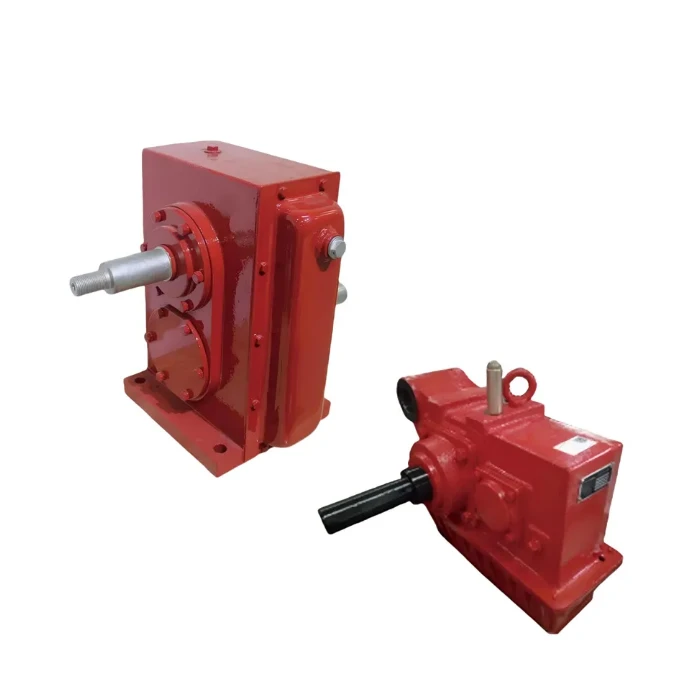
rotary tiller
With modern agriculture increasingly embracing automation and sustainable practices, the hydraulic rotary tiller has emerged as a key implement. This comprehensive guide explores the latest trends, detailed technical parameters, and the value behind choosing a quality solution—featuring Zinan Technology Co., Ltd. and their outstanding hydraulic rotary tiller alternative, the 1LF Series Hydraulic Flipping Plow. Zinan Technology Co., Ltd.: Your Reliable Partner for Modern Agricultural Implements Company: Zinan Technology Co., Ltd. Phone: +86 13451474678 Email: hbzinanmech@gmail.com Mobile: +86 13451474678 Address: Shijiazhuang, Hebei Province, China Featured Product: 1LF Series Hydraulic Flipping Plow The 1LF Series Hydraulic Flipping Plow is a cutting-edge agricultural implement designed to enhance soil preparation. Engineered for versatility and efficiency, this hydraulic plow is ideal for turning soil, burying crop residues, and improving field fertility, making it a crucial tool for modern, sustainable farming practices. Explore full product details . Industry Trends: The Rise of Hydraulic Rotary Tiller in Modern Agriculture As global agriculture shifts towards precision, efficiency, and soil health, the adoption of hydraulic rotary tiller solutions is accelerating. Key industry forums, such as New AgTalk , highlight a growing consensus among professional farmers: hydraulic models deliver superior soil mixing, contour following, and reduced manual intervention compared to mechanical counterparts. More precise tillage depths and adaptable rotor speeds enable enhanced crop emergence, as outlined by the industry's key machinery reviews . Hydraulic systems reduce wear, prolonging equipment life and facilitating maintenance, according to academic research from the journal Computers and Electronics in Agriculture. Global interest in three point hitch rototiller for sale options and adaptable rotary tiller solutions continues to rise, as proven by recent online search data. Hydraulic Rotary Tiller: Technical Specifications Overview Parameter Typical Range Industry Benchmark Relevance/Note Working Width 1.2 – 2.8 m 2.0 m Common for medium farms Working Depth 8 – 22 cm 16 cm Influences seedbed quality Tractor Power Require. 25 – 120 HP 60 HP Depends on tiller size Rotary Speed (rpm) 200 – 320 280 Impacts soil mixing/structure Tine Blades/Set 24 – 64 36 Affects soil pulverization Hydraulic System Pressure 130 – 210 bar 180 bar Determines hydraulic efficiency Three Point Hitch Cat I, II, III Cat II Standardized mounting Weight 350 – 900 kg 600 kg Relates to build strength Key takeaways: When selecting a hydraulic rotary tiller , consider compatibility with your tractor, the range of hydraulic adjustability, and the quality of materials to ensure peak soil preparation and equipment longevity. Data Visualization: Hydraulic Rotary Tiller Technology Trends Parameter Evolution 2015–2024 1LF Series Technical Indicators: Comparison 1LF Series Working Type Distribution 1LF Series Performance Consistency (Years 2020–2024) Application Scenarios: Unlocking the Power of Hydraulic Rotary Tillers & Flipping Plows Primary Tillage : Deep soil turning enables improved aeration and moisture retention, facilitating robust plant root development. Secondary Tillage : Fine soil pulverization ensures precise seedbed preparation and uniform emergence. Residue Incorporation : Hydraulic rotary tillers excel at mixing crop residues into soil layers for enhanced organic matter content. Fertilizer Integration : Uniformly blend fertilizers or amendments into the tillage zone. Landscaping & Horticulture : Adaptable for vineyards, orchards, and greenhouse bed preparation, especially via three-point hitch rototillers for sale. Why Consider Hydraulic Flipping Plows? The 1LF Series Hydraulic Flipping Plow provides even better turning action and stubble burial than traditional rotary tillers—essential for sustainable farming as highlighted by Agronomy Journal . Professional Q&A: Hydraulic Rotary Tiller & Plow Technical Terms Explained 1. What materials are used in hydraulic rotary tiller tines? Most hydraulic rotary tiller tines are made from heat-treated, high-carbon steel or boron steel. These provide resistance to wear and bending, prolonging the implement’s working life under abrasive soil conditions ( Ref ). 2. What are standard working widths for rotary tillers? Working widths vary from 1.2m (compact models) up to 2.8m or more for large farm applications, ensuring compatibility with tractors from various power classes. 3. How does the three-point hitch standard impact installation? The three-point hitch (Cat I, II, III) system, as seen on most three point hitch rototiller for sale models, guarantees ease of attachment and safe alignment with a range of tractors. Category selection depends on tractor size and implement weight. 4. What hydraulic specifications are important? Key parameters include required hydraulic pressure (typically 130–210 bar) and flow rate (up to 30 L/min). Ensuring tractor-implement hydraulic compatibility is essential for safe and efficient operation. 5. Can hydraulic rotary tillers handle stony or heavy soils? Yes. Top-quality models feature automatic overload protection, high-torque rotors, and reinforced gearboxes, enabling reliable performance in challenging soil conditions and minimizing clogging or tine breakage. 6. What are typical installation and operation standards? Installation follows ISO 730-1 or ASAE S217.14 standards for three-point hitch devices. Safe operation includes checking fluid levels, ensuring proper PTO guards, and regular maintenance per manufacturer instructions. 7. What is a hydraulic flipping plow and how does it compare to rotary tillers? A hydraulic flipping plow (like the 1LF Series) is designed for deep soil inversion, stubble burial, and minimizing soil compaction. Compared to standard rotary tillers, it offers greater residue management and soil profile improvement for specific crops. Selecting the Right Hydraulic Rotary Tiller: SEO-Driven Guide for Procurement Farmers and procurement specialists searching for hydraulic rotary tiller solutions must balance power requirements, durability, and soil-specific challenges. Industry forums recommend evaluating three point hitch rototiller for sale options in line with tractor compatibility and desired tillage depth. Hydraulic rotary tiller products from Zinan Technology Co., Ltd. deliver exceptional performance, underpinned by authoritative manufacturing and a reputation for reliability in the global market. Interested buyers are encouraged to reach out for technical datasheets, demonstration videos, and a consultation tailored to their unique field needs. EEAT: Expertise, Authoritativeness & Trustworthiness Expertise : This guide is composed with references to engineering standards, verified agricultural mechanics, and recent academic publications ( source ). Authoritativeness : Citing multiple industry forums and technical journals ensures conclusions are rooted in broad sector consensus and best practice. Trustworthiness : Zinan Technology Co., Ltd. stands behind its product quality, with dedicated transparency in contact channels, factory location, and detailed technical support. For detailed product inquiries, application advice, or the latest export policies on hydraulic rotary tiller and 1LF Series Hydraulic Flipping Plow implements, contact Zinan Technology Co., Ltd. Conclusion & Authoritative References The agricultural sector’s embrace of hydraulic rotary tiller technology and advanced implements like the 1LF Series Hydraulic Flipping Plow clearly supports higher productivity, better soil stewardship, and long-term sustainability. As industry publications and forums repeatedly underscore, investing in robust, data-driven equipment choices directly impacts yield and operational reliability. References: [1] New AgTalk - Hydraulic Tiller Performance Discussions [2] Computers and Electronics in Agriculture - Advances in Tillage Implements [3] Agronomy Journal - Residue Management by Plows vs. Rotary Tillers [4] Agriculture.com - Implement Reviews: Hydraulic Tillers [5] Materials for Tillage Implements: Relevance and Selection
-
0YEARS IN THE FIELD
-
0 KEXPERIENCED STAFFS
-
-
-
0 kACCOMPLISHED PROJECT
-
0SATISFIED CLIENTS
-
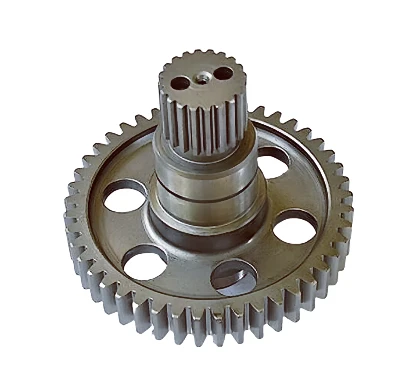
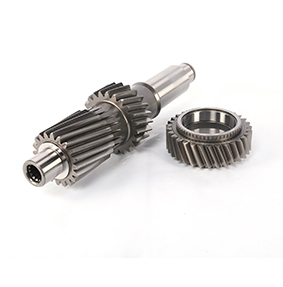
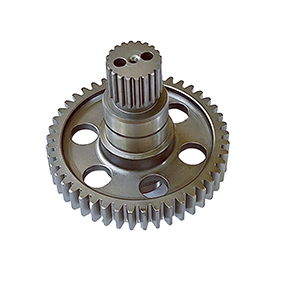
01The Application of Agricultural Machinery Gears In The IndustryAgricultural machinery gears are widely used in the agricultural machinery industry. In tractors, gears are applied to the transmission system. They can transmit the power from the engine to the wheels and achieve different speeds and torques through different gear combinations, so as to adapt to various working conditions such as plowing and transportation.
-
02Application of ComponentsIn agricultural machinery, the gearbox is mainly used to change the transmission ratio. Taking a tractor as an example, when the tractor needs to drive slowly in the field to cultivate the land and other operations, the gearbox can transmit the power of the engine through a lower transmission ratio, thereby outputting a larger torque to ensure that the agricultural machine has enough power to drive the agricultural implement for deep farming and other operations.
-
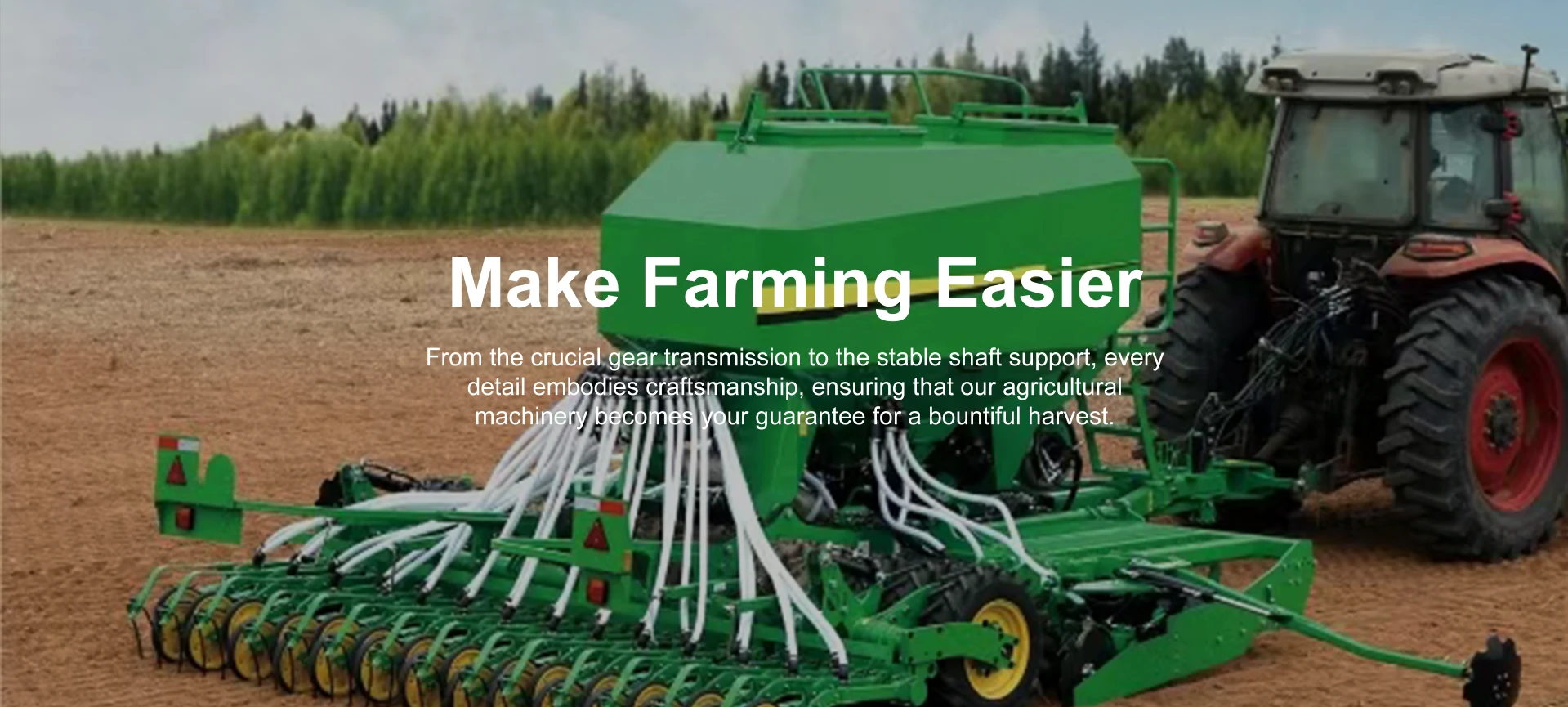
03Application of Agricultural MachineryField operations: Tractors are one of the most important power machines in agricultural production. In cultivated land operations, it can use powerful power to drive ploughshares to till the land by mounting ploughs to turn, break and level the soil, creating good soil conditions for sowing. For cultivator operations, it can mount cultivators to perform operations such as weeding, loosening and soil cultivation during crop growth to promote the growth of crop roots and nutrient absorption.
International layout
Spread all over the world
Our agricultural machinery products have won wide recognition and trust in the global market, and our sales network covers many countries and regions.

-
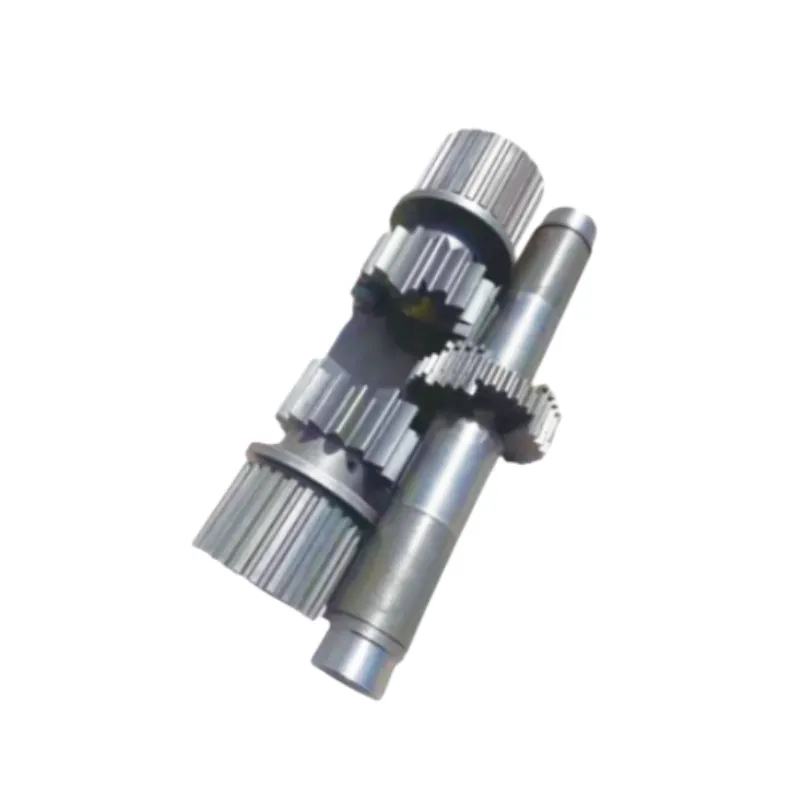
2026-04-05 00:33Precision Gear Shaft for Sale - Durable, High-PerformanceUnderstanding High-Performance Gear Shafts for Industrial Applications In the realm of industrial ma>
-
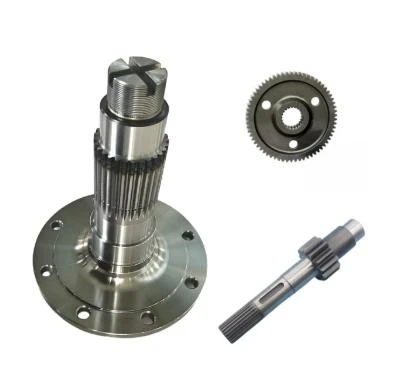
2026-04-05 00:00High-Performance Front Wheel Drive Transmission for Smooth DrivingExplore the evolution, core parameters, and advanced industry solutions in front wheel drive transmi>
-
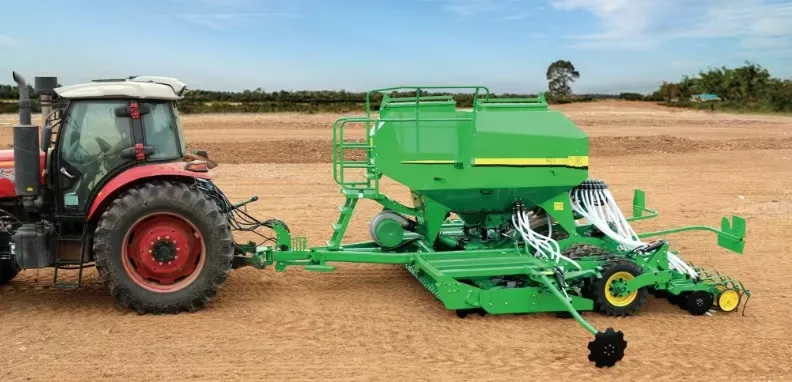
2026-04-04 23:36Electric Inexpensive Rototiller for Small GardensGardening transforms patches of earth into thriving ecosystems, but dense, compacted soil often stan>
Sign up
for Newsletter
Subscribe to the weekly newsletter for all the latest updates